Ever tried to nail a precise line in a digital drawing or execute a critical move in a fast-paced game on your Chromebook, only to have an errant palm tap or a stray finger mess it all up? It's a common frustration that can turn creative flow into a tech tantrum. The good news? You can regain control and truly elevate your experience by Optimizing Your Chromebook for Drawing or Gaming by Disabling Touch. This isn't just about preventing accidents; it's about unlocking a new level of precision and focus for your digital endeavors.
When a touchscreen is more of a hindrance than a help, knowing how to temporarily or even permanently switch it off can transform your Chromebook from a casual browsing device into a formidable tool for creativity or competitive play. We're talking about a quick, yet powerful tweak that lets you use your stylus, mouse, or keyboard with unwavering confidence, free from the unexpected interventions of touch input.
At a Glance: Key Takeaways for Disabling Your Chromebook's Touchscreen
- Why Do It? Prevents accidental taps, enhances precision for drawing/gaming, allows use with a cracked screen, and offers minor battery savings.
- It's a "Flag" Feature: Chromebooks don't have a built-in toggle; you'll use an experimental Chrome feature called
chrome://flags. - Prerequisite: Your Chromebook must be running Chrome OS version 48 or higher.
- The Shortcut: Once enabled, a simple
Search + Shift + Tcombination toggles touch on or off. - Stylus Impact: Disabling the touchscreen also disables stylus input, as they share the same underlying technology.
- Admin Access: You'll need to be logged in as the Chromebook's administrator to make these changes.
The Unseen Advantage: Why Disabling Touch Elevates Your Chromebook Experience
Chromebooks have evolved into incredibly versatile machines, capable of far more than just web browsing. For artists, they offer a portable canvas for digital creation, while for gamers, they provide access to a growing library of Android and cloud-streamed titles. Yet, the integrated touchscreen, while convenient for many tasks, can quickly become a liability in these specific scenarios.
For the Digital Artist: Imagine sketching a detailed character or painting a delicate landscape. Your palm often rests on the screen, creating unintended marks, zooming in randomly, or accidentally switching tools. This constant battle with "palm rejection" can be incredibly disruptive to your workflow and creativity. Disabling the touchscreen eliminates this frustration entirely, allowing your stylus or drawing tablet to be the sole input, offering unparalleled precision and a truly focused creative zone. It's about letting your hand do its job without interference, transforming your screen into a pure, responsive canvas.
For the Gamer: Whether you're navigating complex menus in an RPG, executing combos in a fighting game, or aiming precisely in a shooter, accidental screen touches can spell disaster. A phantom tap could send your character running the wrong way, trigger an unintended ability, or switch weapons at the worst possible moment. By disabling the touchscreen, you ensure that only your keyboard, mouse, or external controller dictates the action, providing a cleaner, more reliable, and ultimately more competitive gaming experience. You're removing an entire category of potential input errors, letting you concentrate solely on your strategy and reflexes.
Beyond these primary benefits, there are other practical advantages. If your Chromebook's screen is cracked, disabling touch allows you to continue using the device with external peripherals without phantom inputs from the damaged digitizer. There's also a minor, almost imperceptible, battery saving to be gained from not having the touch digitizer constantly active and responsive. It all adds up to a more controlled, professional, and enjoyable interaction with your device.
Before You Begin: Essential Checks for Your Chromebook
Before diving into the steps, a couple of quick checks will ensure a smooth process. These prerequisites are non-negotiable for successfully toggling your touchscreen.
Check Your Chrome OS Version
The ability to use these debugging shortcuts was introduced in Chrome OS version 48. Most modern Chromebooks will be well past this, but it’s always good to verify, especially if you have an older model.
How to Check:
- Open your Chrome Browser.
- Click the "Menu" icon (usually three vertical dots) in the top right corner.
- Go to "Help."
- Select "About Google Chrome."
Here, you'll see your current Chrome OS version. If it's 48 or higher, you're good to go. If not, your Chromebook may not support this feature, or you might need to update your operating system.
Administrator Privileges and Network Enrollment
To make changes to chrome://flags, you need to be logged in as the Chromebook's administrator. If you're using a shared device or a guest account, these options might be locked.
Furthermore, if your Chromebook was provided by a school, university, or office, it might be "enrolled" in a network. Enrolled devices often have certain features restricted or disabled by the IT department. In such cases, the chrome://flags page itself might be locked, or the "Debugging keyboard shortcuts" option might be unavailable. If you encounter this, your best bet is to contact your institution's IT support team for assistance or permission to unenroll the device, if possible. They might have specific policies regarding such changes.
The Step-by-Step Guide: Disabling Your Chromebook's Touchscreen
This process involves navigating to Chrome's experimental features, known as "flags." While flags offer powerful customization, they are experimental, so it's always wise to exercise a bit of caution and stick precisely to the instructions.
1. Launch Your Chrome Browser
This might sound obvious, but it's the first step. You can open Chrome using the "Launcher" icon (a circle in the bottom left, or the "Everything button" on newer devices), the "Finder" button (magnifying glass icon on your keyboard), or even voice search if you have it enabled. Just make sure you're in a standard Chrome browser window.
2. Open a New Tab and Access Chrome Flags
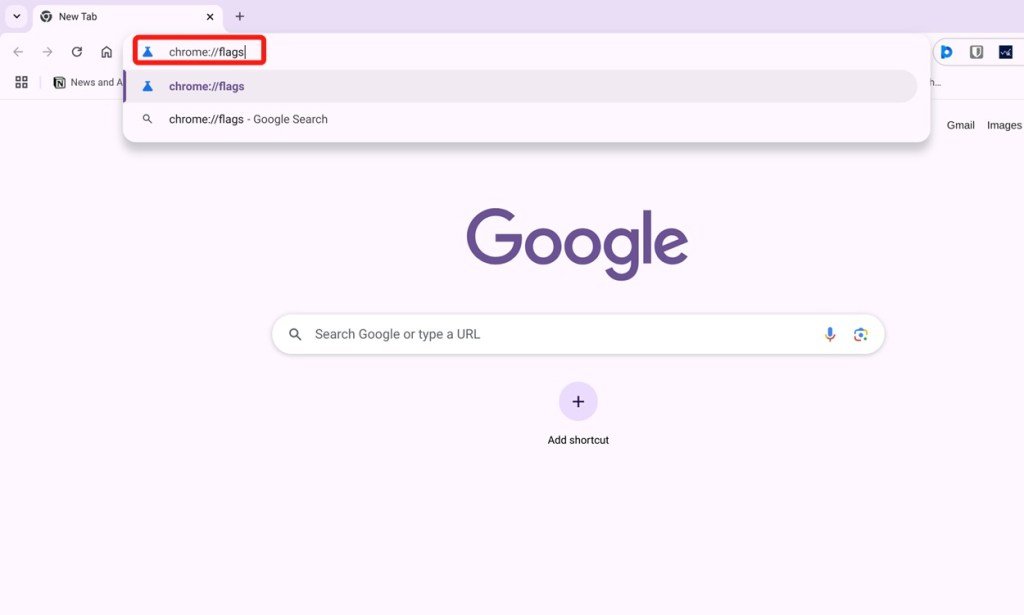
Once Chrome is open, press CTRL + T to open a new tab. This provides a clean slate for the next crucial step. In the address bar (the long bar at the top where you type website addresses), type chrome://flags and then press Enter.
You'll be taken to a page that looks a bit intimidating, filled with warnings and technical-sounding options. This is the "Experiments" page, where Chrome keeps its beta and developer features. You can also type chrome://flags/#ash-debug-shortcuts directly into the address bar to jump straight to the relevant section, but navigating through the search box offers a good safeguard.
A Quick Note on Flags: These are experimental features, meaning they haven't been fully tested or integrated into the stable Chrome OS. While the "Debugging keyboard shortcuts" flag is relatively safe and well-known, making random changes on this page without understanding them can sometimes lead to unexpected behavior. Stick to the precise flag mentioned.
3. Enable "Debugging keyboard shortcuts"
Now that you're on the chrome://flags page, you need to find the specific flag that enables our desired functionality.
- Use the search box at the top of the flags page. Type "keyboard" or "Debugging keyboard shortcuts."
- Locate the entry titled "Debugging keyboard shortcuts."
- To the right of this entry, you'll see a dropdown menu. Click on it and select "Enabled."
This flag, despite its name, is what grants your Chromebook the ability to toggle the touchscreen using a simple keyboard command. It essentially unlocks a hidden diagnostic tool for general use.
4. Restart Your Chromebook
After enabling the flag, a "Restart" button will appear at the bottom right of your screen. Do not ignore this step. The changes you've made in chrome://flags won't take effect until your Chromebook has been restarted.
- Before clicking "Restart," ensure you've saved any open work, documents, or creative projects, as all open apps and browser tabs will close.
- Click the "Restart" button.
Your Chromebook will quickly shut down and then power back on. You'll need to log back in. Alternatively, logging out of your profile and then logging back in can also sometimes trigger the necessary restart for flag changes to apply.
5. Toggle Your Touchscreen Off
With your Chromebook restarted and you logged back in, the magic command is ready.
- Simultaneously press Search + Shift + T.
- The Search key is typically located above the left Shift key on your Chromebook keyboard. It usually has a magnifying glass icon or a white circle icon.
- The Shift key is the standard Shift key.
- The T key is just the letter T.
When you press this combination, your touchscreen will immediately disable. You won't get a confirmation pop-up, but if you try to tap the screen, you'll notice it no longer responds. You've successfully optimized your Chromebook for a more controlled drawing or gaming session!
You can test this by trying to tap icons or navigate with your finger – nothing should happen. Your mouse, trackpad, and keyboard, however, will continue to function normally. For those seeking even more insights into general touchscreen management on Chromebooks, you might find our guide on Turning off Chromebooks touch screen particularly useful, as it delves into various scenarios and solutions.
Bringing Touch Back: Re-enabling and Undoing the Change
The beauty of this method is its flexibility. You're not permanently losing touch functionality, just temporarily putting it aside.
Temporarily Re-enabling the Touchscreen
If you need your touchscreen back for a moment – perhaps to quickly navigate a menu that's easier with a tap, or to show something to a friend – simply press Search + Shift + T again. This shortcut acts as a toggle: one press disables, another re-enables. You can switch back and forth as often as you like without needing to restart.
Permanently Removing the Ability to Toggle
Let's say you've used this feature for a while, but now you no longer need the quick toggle, or you prefer your Chromebook to behave as it did out of the box without the experimental flag enabled. You can easily revert the change:
- Launch Chrome Browser.
- Open a new tab (CTRL + T).
- Access Chrome Flags: Type
chrome://flagsin the address bar and press Enter. - Locate "Debugging keyboard shortcuts": Use the search box if needed.
- Set to "Disabled" or "Default": From the dropdown menu next to "Debugging keyboard shortcuts," select either "Disabled" or "Default." Both will achieve the same outcome for this specific flag.
- Restart your Chromebook: A "Restart" button will appear. Click it, and after your Chromebook reboots, the
Search + Shift + Tshortcut will no longer function, and your touchscreen will remain enabled by default.
Beyond the Toggle: Important Considerations and Troubleshooting
While the process is straightforward, a few nuances and potential stumbling blocks are worth noting to ensure a smooth, frustration-free experience.
Stylus Input Disablement
This is a critical point for artists: Disabling the touchscreen will also disable any stylus input. Both your finger and your stylus rely on the same underlying digitizer technology in your Chromebook's screen. When you use the Search + Shift + T shortcut, you're essentially turning off that entire digitizer.
- If you primarily use a drawing tablet (like a Wacom or Huion tablet) that connects via USB, this won't affect its functionality, as those tablets have their own digitizers.
- However, if you use a USI stylus directly on your Chromebook's screen, you'll need to re-enable the touchscreen (
Search + Shift + Tagain) to use your stylus.
This means you'll have to choose between stylus use or touch disablement for on-screen interactions. For optimal precision with a mouse or external drawing tablet, disabling touch remains the best option.
Accurate chrome://flags Path
Double-check your typing when entering chrome://flags into the address bar. A simple typo can lead to a "page not found" error. Ensure there are no spaces and the slashes are correct.
Resetting Chrome Flags to Default
If you ever find yourself experimenting with chrome://flags and things go awry, there's a "Reset all to default" button on the chrome://flags page. Clicking this will revert all experimental flags to their original settings.
Important: If you use this "Reset all to default" option, the "Debugging keyboard shortcuts" flag will be disabled. This means your Search + Shift + T shortcut will stop working. You would need to go back into chrome://flags and re-enable it (and restart) if you wish to use the touchscreen toggle again. It's a useful troubleshooting step, but remember its effect on your chosen optimization.
Network-Enrolled Devices Revisited
As mentioned earlier, if your Chromebook is managed by an institution, chrome://flags may be inaccessible or specific flags might be locked. This is a security and management feature for organizations. If you're in this situation and truly need to disable touch, your only recourse is to speak with the device administrator or IT department. Attempting to bypass these restrictions isn't recommended and may violate your institution's policies.
Making the Most of Your Optimized Chromebook
Now that you've mastered disabling the touchscreen, how can you further enhance your drawing or gaming setup? The goal is to create an ergonomic and efficient workstation that complements your new touch-free precision.
Essential Peripherals for Drawing and Gaming
With the touchscreen disabled, your external input devices become paramount.
- For Drawing:
- External Drawing Tablets: Brands like Wacom, Huion, XP-Pen, and even lower-cost options connect via USB and offer superior pressure sensitivity and drawing area compared to many built-in screens. They are a game-changer for serious digital art.
- High-Precision Mice: Even for detailed work, a good mouse with adjustable DPI can be incredibly useful for menu navigation and fine-tuning.
- Ergonomic Keyboards: Consider a keyboard with comfortable key travel and layout for shortcut access in drawing software.
- For Gaming:
- Gaming Mice: A responsive gaming mouse with customizable buttons can give you a significant edge in many titles.
- External Game Controllers: For most Android games and especially cloud gaming services (like GeForce NOW or Xbox Cloud Gaming), a dedicated Bluetooth or USB controller (e.g., Xbox, PlayStation, or generic PC controllers) is essential for an authentic console-like experience.
- Mechanical Keyboards: For PC games streamed to your Chromebook, a mechanical keyboard provides tactile feedback and faster response times.
Software Considerations
Many Android apps on Chromebooks are touch-first, but developers are increasingly optimizing for keyboard and mouse. For drawing, apps like Autodesk Sketchbook, Infinite Painter, and even web-based tools often work well with external tablets and mouse. For gaming, most Android games that support controllers will benefit immensely from a disabled touchscreen, as will any PC games streamed from services like GeForce NOW.
Experiment with different applications. You'll quickly find that a touch-free environment, controlled by precise peripherals, often unlocks latent potential in your Chromebook's app ecosystem.
Final Thoughts: Unleash Your Chromebook's Full Potential
Optimizing your Chromebook for drawing or gaming by disabling its touchscreen might seem like a small tweak, but its impact on your creative output and gaming performance can be profound. By eliminating accidental inputs and embracing the precision of external peripherals, you transform your device into a more reliable and enjoyable platform for demanding tasks.
Remember, the flexibility of the Search + Shift + T shortcut means you're always just a key-press away from re-enabling touch whenever convenience dictates. This guide empowers you not just with a technical solution, but with the confidence to tailor your Chromebook experience precisely to your needs, whether you're crafting your next masterpiece or conquering virtual worlds. So go ahead, disable that touch, pick up your favorite peripheral, and truly unlock what your Chromebook can do.