Touchscreens are practically extensions of our hands these days, mediating everything from communication to creativity. But when these essential interfaces start acting up – delivering phantom touches, ignoring your taps, or just plain misbehaving – it can grind your productivity to a halt and test the limits of your patience. This comprehensive guide on Troubleshooting Accidental Touches and Touchscreen Malfunctions will walk you through diagnosing, understanding, and solving the most common touchscreen woes, empowering you to reclaim control over your devices.
No more wondering why your phone is calling people in your pocket or why your industrial panel isn't responding to critical commands. We’re diving deep into the symptoms, causes, and practical, step-by-step solutions for a wide array of touchscreen issues.
At a Glance: Your Quick Fix Cheat Sheet
- Cleanliness is Key: Often, a dirty or oily screen is the culprit. A quick wipe can work wonders.
- The Universal Fix: Restarting your device clears most temporary software glitches.
- Accessory Check: Screen protectors and cases can sometimes interfere with touch sensitivity.
- Stay Updated: Keep your operating system and drivers current to prevent software conflicts.
- Hardware Hurts: Persistent issues after software fixes usually point to physical damage.
- Test as You Go: Verify functionality after each troubleshooting step to pinpoint the solution.
- Professional Help: Don't hesitate to seek expert repair for hardware failures or complex issues.
Understanding Your Touchscreen Troubles: A Quick Diagnosis Guide
Before we dive into specific fixes, it helps to understand why your touchscreen might be throwing a tantrum. Touch technology, while incredibly robust, relies on intricate layers of hardware, sensitive sensors, and complex software. Any disruption in this delicate balance – whether from an unlucky drop, a software bug, or even just a smudge – can lead to frustrating malfunctions.
From the everyday smartphone to advanced industrial displays, the underlying principles of touch detection (capacitive, resistive, etc.) are similar, making many troubleshooting steps universal. Pinpointing the exact problem is your first step toward a lasting solution.
Why Touchscreens Act Up: The Usual Suspects
Most touchscreen issues boil down to a few core categories:
- Software Glitches: Temporary bugs, system overloads, outdated operating systems, or conflicting apps can confuse your device's touch input.
- Environmental Factors: Moisture, extreme temperatures, or even static electricity can interfere with touch sensitivity.
- Physical Obstructions: Dirt, grease, or a poorly fitted screen protector can prevent your fingers from making proper contact.
- Hardware Damage: Drops, impacts, internal component failure, or general wear and tear can permanently impair touch functionality.
Let's break down these common culprits and their specific solutions.
Decoding Specific Touchscreen Malfunctions: Symptoms, Causes, & Solutions
Each type of touchscreen malfunction presents unique symptoms, demanding a tailored approach. Here’s how to identify what’s going wrong and what you can do about it.
The Unresponsive Screen & Dead Zones: When Your Device Ignores You
Symptoms: Imagine tapping an icon repeatedly, swiping with no effect, or finding certain areas of your screen consistently dead to your touch. This is an unresponsive screen or the dreaded "dead zone." It could be intermittent, requiring multiple attempts, or a complete lack of response.
Causes: This frustrating issue can stem from various sources:
- Software freezes: Your device's operating system might be overwhelmed or stuck.
- Touchscreen sensor malfunction: The delicate sensors beneath the surface aren't registering input correctly.
- Dirty/oily screen: Simple yet effective, grime can block electrical signals.
- System overload: Too many apps running in the background can hog resources.
- Impact damage or hardware degradation: A drop or long-term wear can damage internal components.
- Moisture ingress: Even a tiny bit of water can wreak havoc.
- Poor contact with the digitizer: The part of the screen that detects touch might be loose.
Solutions:
- Restart the device: A classic for a reason, this clears most temporary software hangups.
- Clean the screen: Use a soft, lint-free microfiber cloth, perhaps with a touch of isopropyl alcohol, to gently remove all dirt and oils.
- Close background apps: Free up system resources by closing any unnecessary applications.
- Check for system updates: Manufacturers often release updates that fix bugs and improve performance.
- Remove screen protector or case: A misaligned, thick, or damaged accessory can interfere with touch.
- Inspect for cracks or bends: Visible damage often indicates internal issues.
- Perform a soft reset: This is a more thorough restart that can reinitialize system processes without erasing data (check your device's specific instructions).
Phantom Touches & Ghosting: When Your Device Has a Mind of Its Own
Symptoms: This is where things get spooky. Your screen acts as if it's being touched, even when no one is near it. Apps open randomly, pages scroll without input, or your keyboard types gibberish on its own.
Causes: Ghost touches are typically more serious, often pointing to:
- Hardware malfunction: Faulty components are sending incorrect signals.
- Power surge or voltage instability: Inconsistent power can confuse the touch controller.
- Environmental interference: Strong electromagnetic fields can sometimes induce false touches.
- Loose or damaged connectors: Internal cables connecting the touch digitizer might be compromised.
- Software glitches: Less common than hardware, but bugs can manifest this way.
- Faulty charger: A non-OEM or damaged charger can sometimes introduce electrical noise.
Solutions:
- Disconnect and reconnect the power source: Especially crucial for devices plugged into an outlet, this can stabilize voltage.
- Remove screen protector or case: Again, sometimes an accessory creates unintended pressure or static.
- Update firmware: For industrial displays or specialized devices, firmware updates often address underlying hardware communication issues.
- Inspect for moisture: Even invisible moisture can cause erratic electrical behavior.
- Use a different charger: If you suspect a power issue, try an official, working charger.
When Your Taps Go Awry: Calibration Errors
Symptoms: You tap one area, but the device responds as if you tapped somewhere else. Menus are misaligned, buttons are hard to hit, or your keyboard registers the wrong letters, even when you're sure you hit the right key.
Causes: This indicates the device's understanding of your touch position is off:
- Poor factory calibration: Sometimes, devices aren't perfectly set up from the start.
- System updates conflicting with touch drivers: New software can sometimes clash with older hardware configurations.
- Long-term wear: Over time, the accuracy of touch detection can degrade.
Solutions:
- Use built-in calibration tools: Many devices, especially older ones or specialized industrial panels, have calibration options in their settings menus (e.g., "Display" or "Accessibility").
- Install manufacturer’s drivers: Visit the device manufacturer's official website for the latest, most compatible touch drivers.
- Check display settings for distorted screen scaling: Incorrect display scaling can visually offset touch targets.
- Use external calibration software from OEMs: For specialized touchscreens, original equipment manufacturers often provide proprietary calibration utilities.
One Finger Works, Two Don't: Multi-Touch Failure
Symptoms: You can swipe and tap with a single finger without issue, but gestures requiring two or more fingers – like pinch-to-zoom, rotating images, or multi-finger scrolling – simply don't work.
Causes: Multi-touch relies on more sophisticated software and drivers than single-touch:
- Outdated OS: Older operating systems might lack the necessary multi-touch protocols.
- Incompatible or missing drivers: The correct drivers are essential for interpreting complex gestures.
- Corrupt firmware: Damage to the low-level software that controls hardware can impact multi-touch.
Solutions:
- Update OS and drivers: Ensure your operating system and all touch-related drivers are fully updated.
- Roll back drivers to a previous version: If the problem started after an update, reverting to an older, stable driver version might resolve it.
The Environment's Role: Moisture, Temperature, & ESD
Symptoms: Flickering screens, inconsistent touch response, false inputs, or outright unresponsiveness that seems to come and go with environmental changes.
Causes: Touchscreens are sensitive to their surroundings:
- High humidity: Condensation can form, interfering with electrical signals.
- Condensation inside the device: Moving a cold device into a warm, humid environment can cause internal moisture.
- Electrostatic discharge (ESD): Static electricity can temporarily disrupt touch functionality.
- Temperature extremes: Very hot or very cold conditions can affect component performance and screen responsiveness.
Solutions:
- Dry the device properly: If moisture is suspected, power off the device immediately. Use silica gel packs or leave it in a dry, room-temperature environment for at least 24 hours. Avoid using heat.
- Install anti-ESD films: For devices in static-prone environments, special films can mitigate ESD effects.
- Avoid use in extreme conditions: If possible, keep your device within its recommended operating temperature range. For critical applications, consider using IP-rated (Ingress Protection) touch displays designed for harsh environments.
The Software Underbelly: Driver and Firmware Issues
Symptoms: A new touch display isn't recognized at all, there's a noticeable delay between your touch and the device's response, or multi-touch capabilities are entirely absent despite the hardware supporting it.
Causes: These issues point directly to the software that enables hardware communication:
- Outdated OS: The operating system might not have the necessary components to support newer touch hardware.
- Incompatible or missing drivers: The "translators" between your OS and the touchscreen are either absent or the wrong version.
- Corrupt firmware: The permanent software embedded in the device's hardware is damaged.
Solutions:
- Update OS and drivers: Always prioritize getting drivers from the manufacturer’s official site, as generic drivers may lack specific functionality.
- Roll back drivers: If problems began after a recent driver update, reverting to an earlier, known-good version can often resolve conflicts.
- Reset firmware: Some industrial panels or specialized devices allow you to reset their firmware via the BIOS settings or physical DIP switches. Consult your device's manual for this advanced step.
Wear and Tear: Physical Damage & Degradation
Symptoms: Visible cracks in the screen, the screen lifting away from its frame, permanent discoloration in areas, or consistent non-responsiveness linked to a specific impact point.
Causes: These are usually the most obvious causes of touch failure:
- Accidental drops: A common culprit, leading to shattered screens or internal disconnections.
- Overuse or pressure: Constant, heavy pressure on the screen can degrade its components.
- Chemical exposure: Harsh cleaning agents or accidental spills can damage the screen's layers.
Solutions:
- Assess the damage: Determine if the damage is purely cosmetic or if it's affecting functionality.
- Avoid DIY repairs: Unless you're an experienced technician, attempting to fix physical damage yourself can void warranties and cause further harm.
- Seek professional help: Contact the manufacturer or a trusted repair vendor for screen or component replacement.
- Upgrade to a durable touch screen: For high-risk environments, consider investing in industrial-grade touch screens built with enhanced durability features like strengthened glass or impact resistance.
Your Step-by-Step Troubleshooting Playbook
When your touchscreen isn't cooperating, a systematic approach is your best friend. Follow these steps, testing your screen after each one, to effectively diagnose and resolve most issues.
1. Clean Your Canvas (The Screen)
It sounds too simple to be effective, but a dirty screen is a surprisingly common cause of touch issues. Fingerprints, grease, smudges, and even microscopic dust particles can interfere with the capacitive signals your screen relies on.
How to do it: Power off your device. Use a soft, lint-free microfiber cloth – the kind used for eyeglasses is perfect. Gently wipe the entire screen surface. For stubborn grime, lightly dampen a corner of the cloth with a solution of 70% isopropyl alcohol and distilled water, then wipe. Never spray liquid directly onto your device.
2. The Power of a Restart
A simple restart is the digital equivalent of hitting a reset button. It clears out temporary software glitches, frees up overloaded memory, and reinitializes all the background processes that keep your device running smoothly. This often resolves unresponsive screens or erratic behavior caused by a software hang-up.
How to do it: Hold down the power button (and sometimes a volume button, depending on your device) until the power-off or restart option appears. Select "Restart." If the screen is completely unresponsive, you might need to perform a "force restart" (check your device's manual for the specific button combination).
3. Peel Back the Layers (Screen Protectors & Cases)
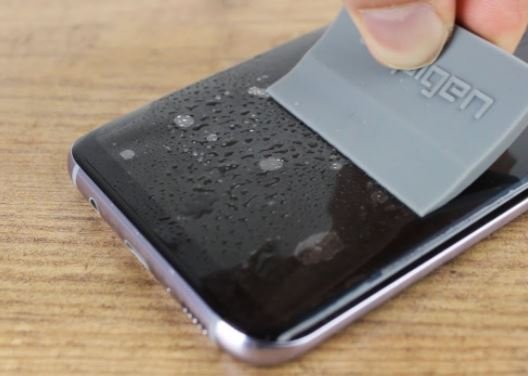
Accessories are great for protection and personalization, but they can sometimes be the root of your touchscreen problems. A thick, poorly installed, or damaged screen protector can create an air gap, reduce sensitivity, or even produce phantom touches. Similarly, a tight-fitting or misaligned case might put pressure on the screen, leading to unexpected inputs.
How to do it: Carefully remove any screen protector and case from your device. Test the touchscreen functionality without them. If the problem disappears, you've found your culprit. You might need to replace your screen protector with a thinner, higher-quality one, or simply adjust your case.
4. Stay Updated (Software & Firmware)
Manufacturers constantly release updates for their operating systems (iOS, Android, Windows) and device-specific firmware. These updates aren't just for new features; they often include critical bug fixes, performance enhancements, and updated drivers that improve hardware compatibility, including touchscreen functionality.
How to do it:
- For phones/tablets: Go to your device's "Settings," then usually "System" or "About Phone," and look for "Software Update" or "System Update."
- For Windows PCs: Go to "Settings," then "Update & Security," and click "Check for updates."
- For specialized devices: Check the manufacturer's website for specific driver or firmware updates.
Sometimes, an update might cause a new issue. If your touchscreen problems started immediately after an update, you might consider rolling back a driver if your system allows it. For specific cases like a Chromebook, you might even consider options to disable your Chromebook touchscreen entirely if it's causing more problems than it solves and you prefer using a mouse and keyboard.
5. The Nuclear Option: Factory Reset
If all else fails and you've exhausted every other software-related troubleshooting step, a factory reset might be the answer. This returns your device to its original, out-of-the-box state, erasing all your personal data, apps, and settings. This can resolve deep-seated software conflicts or corruptions that no other method could touch.
Important: BACK UP YOUR DEVICE FIRST! A factory reset is irreversible and will wipe everything.
How to do it:
- For phones/tablets: Go to "Settings," then "System" or "General," and look for "Reset Options" or "Erase all data (factory reset)."
- For Windows PCs: Go to "Settings," then "Update & Security," "Recovery," and look for "Reset this PC."
- Follow the on-screen prompts carefully.
How to Confirm Your Fix: Testing Your Touchscreen
After each troubleshooting step, it's crucial to test your touchscreen to see if the problem is resolved. You can do this by simply trying to interact with your device as usual, focusing on the areas or gestures that were previously problematic.
For a more systematic assessment, especially to detect "dead zones" or "ghost touches," consider using a dedicated touchscreen test tool. While device-specific test codes can be confusing or not universally available, there are many universal online web tools designed to test touch screen functionality on any device – whether it's an iPhone, Android, or Samsung phone. Simply open your web browser and search for "touch screen test online." These tools typically let you draw on the screen and visualize where touches are (or aren't) registering.
When It's Time for the Pros (or a New Device)
You've cleaned, restarted, updated, removed accessories, and even performed a factory reset. You've diligently tested your screen, and the issues – dead zones, persistent ghost touches, or complete unresponsiveness – are still there. This is usually the clearest indicator of a hardware failure.
Common culprits for hardware failure include:
- Drops and impacts: Even if there are no visible cracks, internal components can be damaged.
- Water damage: Moisture can corrode internal circuits over time.
- Manufacturing defects: Less common, but sometimes components fail prematurely.
In these situations, it's time to stop the DIY troubleshooting. Contacting the manufacturer for warranty service or a professional repair shop is your best next step. They have the specialized tools and expertise to diagnose and replace faulty components like the digitizer (the touch-sensitive layer) or the display assembly itself. Avoid attempting complex hardware repairs yourself, as this can void warranties and potentially cause further irreparable damage.
Choosing a New Touch Display? What to Look For
If professional repair is too costly, or your device is simply beyond economic repair, replacing it might be the most practical solution. If you're considering a new device or a replacement panel (especially for industrial or custom applications), keep these key attributes in mind:
- Touch Type:
- Resistive: Older, pressure-sensitive, works with gloves or styluses, but less vibrant and multi-touch capabilities are limited.
- Capacitive (Projected Capacitive/PCAP): Modern standard, uses electrical conductivity (finger touch), supports multi-touch, vibrant displays, and is more durable. Ideal for most consumer devices and many industrial applications.
- Environment: Consider where the display will be used.
- Indoor: Standard consumer-grade screens suffice.
- Outdoor: Look for high brightness, anti-glare coatings, and wider operating temperature ranges.
- Industrial: Requires rugged construction, resistance to dust, water, and vibration (often IP-rated).
- Cleanroom: Needs specialized materials and sealing to prevent particle contamination.
- Size and Aspect Ratio: Ensure the new display is compatible with existing housing or application requirements. Standard aspect ratios are 16:9, 4:3, etc.
- Durability: For environments prone to impact or heavy use, opt for screens with strengthened glass (e.g., Gorilla Glass), metal bezels, or specific impact-resistant designs. Waterproof and dustproof ratings (IP ratings) are crucial for harsh conditions.
- Interface: How does the display connect to the host system? Common options include USB (for touch data), RS232 (for serial communication, common in industrial), HDMI/DisplayPort/VGA (for video input), or embedded (for internal connections in a system-on-chip design).
Final Thoughts: Keeping Your Touch Experience Smooth
Troubleshooting accidental touches and touchscreen malfunctions can be a frustrating journey, but with a clear understanding of the common causes and a systematic approach to solutions, you can often bring your device back to full functionality. Remember, starting with the simplest fixes and progressively moving to more complex ones will save you time and potential headaches. While many issues can be resolved with a little patience and a clean cloth, knowing when to call in the professionals is equally important. Your touchscreen is your window to the digital world – keep it clear and responsive.